Design trial · Your existing version is preserved Compare original →
194 Wright Street, Adelaide CBD · By appointment

Cupping · Adelaide CBD

Cupping in Adelaide CBD

Suction-based treatment offered within remedial massage or traditional Chinese medicine appointments.

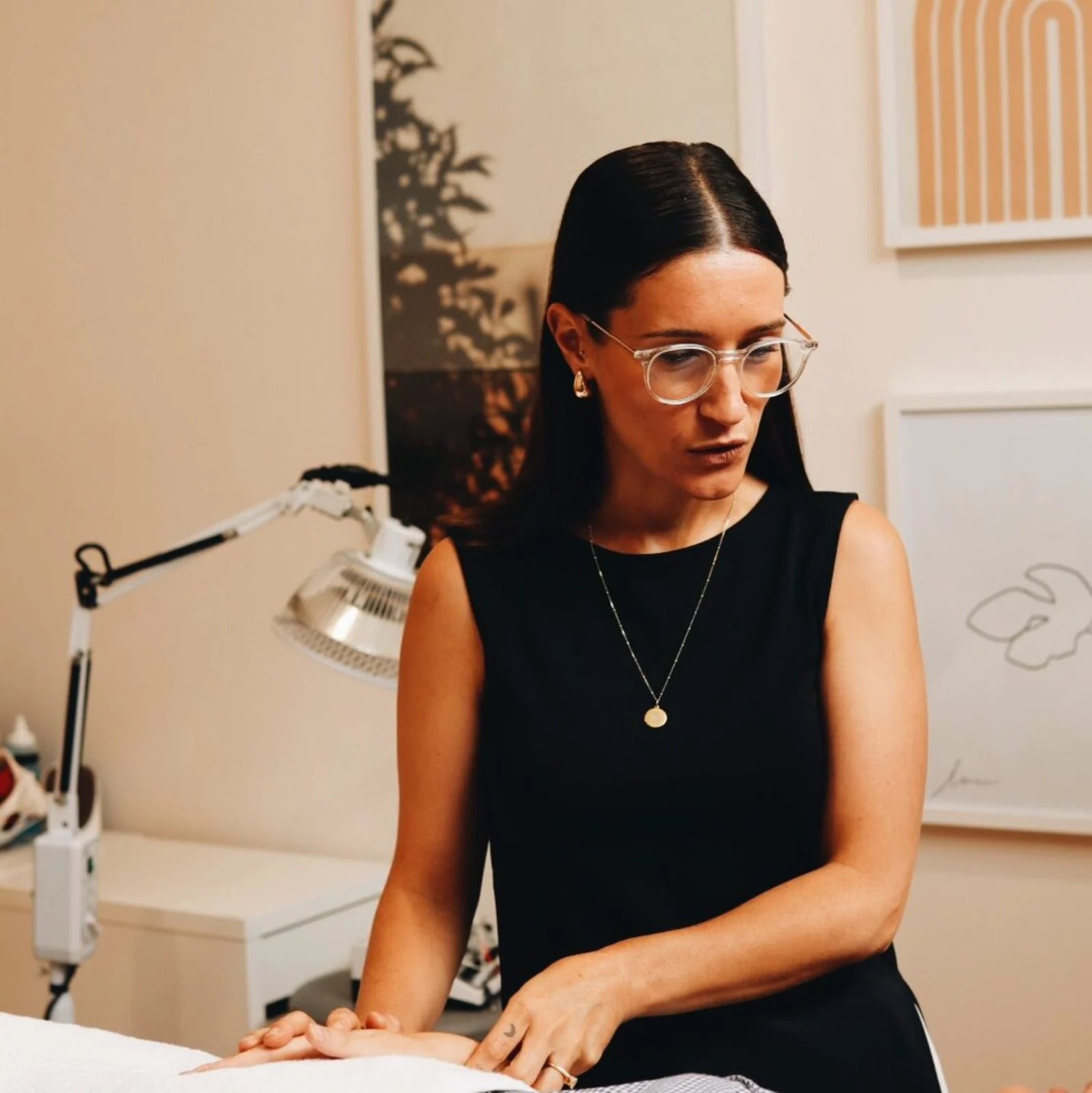
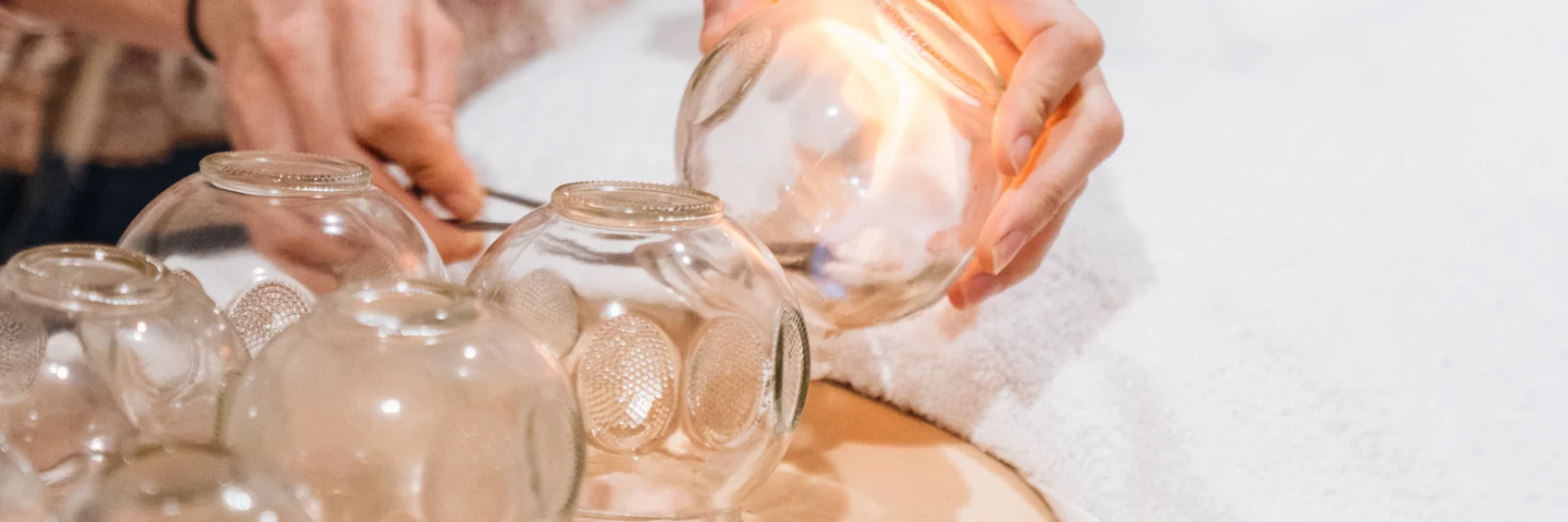
Cupping treatment at Healing Arts Studio

A different way to work with tension

What is cupping?

Cupping uses cups placed on the skin to create suction. This lifts the skin and underlying soft tissue rather than applying the downward pressure you may associate with massage.

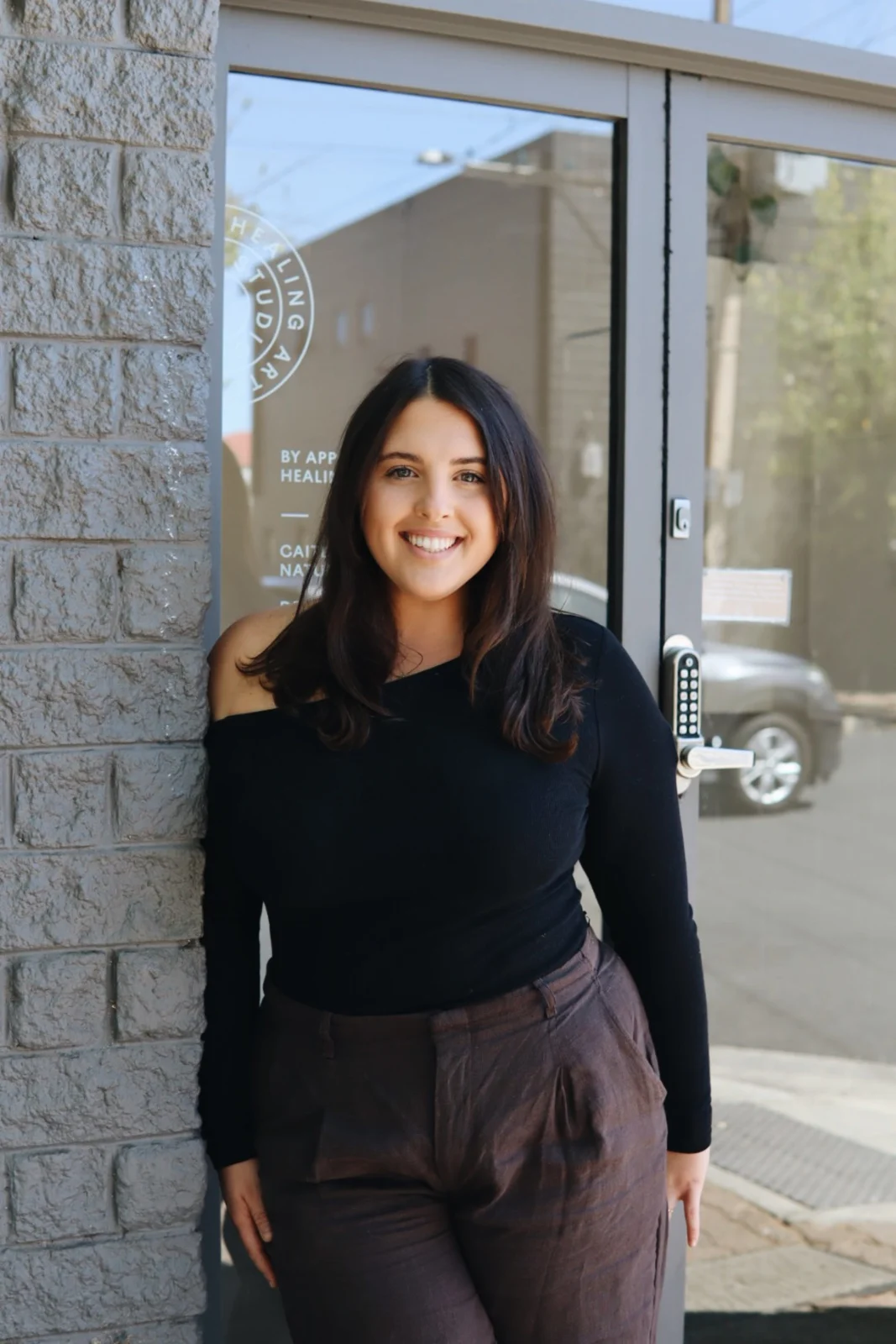
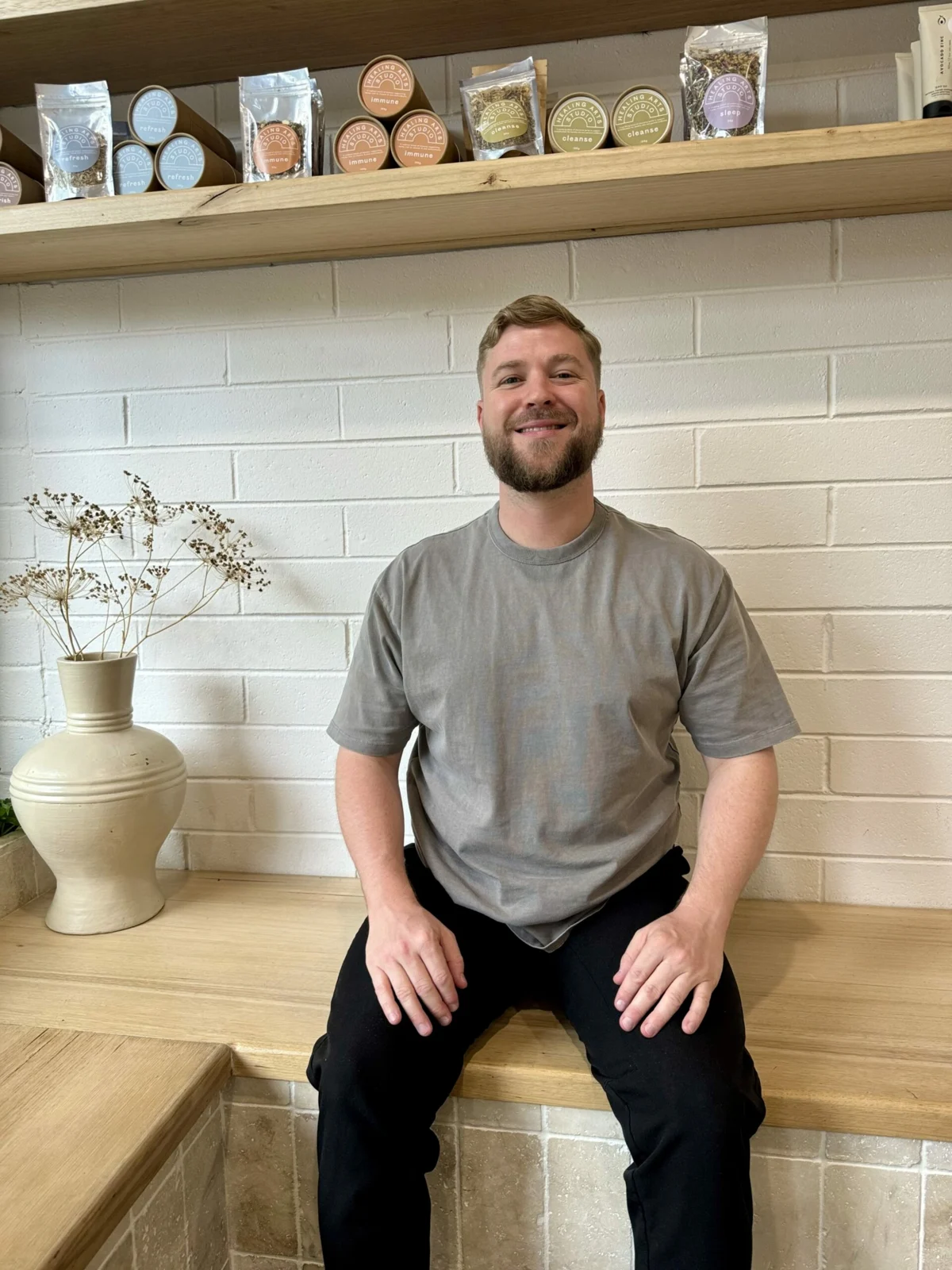
At Healing Arts Studio, you can explore cupping as part of a remedial massage appointment with Maddy McCarty or Scott Oram, or TCM cupping with our acupuncturists, Dr. Lilly Slater and Dr. Bree Bennetts.

Your practitioner can explain their approach, discuss your goals and help you decide whether cupping is a good fit for your appointment.

The thinking behind the treatment

How might cupping help?

Cupping creates a different sensation from massage: instead of pressing into an area, suction draws the skin and superficial soft tissues upwards. That mechanical pull changes the sensory input coming from the treated area. Researchers are exploring how this may influence comfort and pain.

A lift and stretch for the surface tissues

The lower pressure inside the cup gently draws the skin into it, creating a local stretch. This is why cupping can feel like a sustained pulling sensation rather than the pressure of a massage stroke.

Your practitioner can discuss cup placement and suction strength with you. Stronger suction is not automatically a better treatment; comfort and your response matter.

A temporary change in local circulation

Small laboratory studies in healthy volunteers have measured increased skin blood flow after cups are removed. This is a local response around the treated area, rather than evidence of a whole-body circulation benefit.

It helps explain why the skin may look red or feel warm afterwards. Whether this blood-flow response directly causes pain relief or faster recovery has not been established.

A different message to the nervous system

Pain is influenced by how the nervous system processes signals from the body. One theory is that the touch, pressure and stretch of cupping provide sensory signals that temporarily change how pain is experienced.

This is a proposed explanation for symptom relief, not a confirmed mechanism unique to cupping. Feeling more comfortable does not necessarily mean an underlying injury has healed.

Where can it fit into your care?

Cupping has been studied for musculoskeletal pain, including neck, shoulder and back discomfort. Some studies report short-term pain relief, although results differ and convincing benefits over placebo cupping are uncertain.

If it helps you feel more comfortable, your practitioner can consider it alongside massage, movement advice or other appropriate care. The useful question is whether it helps with your own goals, such as comfort during a particular activity—not how dark the cup marks become.

Explore the research: Skin blood-flow study · Musculoskeletal pain review · Placebo-controlled back-pain trial
Choose your approach

Two ways to experience cupping.

Find the appointment that suits how you like to receive care.

Remedial massage · Maddy & Scott

Cupping within your massage appointment.

Maddy McCarty and Scott Oram offer cupping during remedial massage appointments. If you would like to explore it alongside massage, mention this when arranging your session and discuss it with your therapist.

Your therapist can tailor the session to your needs and explain how cupping may complement the other massage techniques used.

Explore remedial massage
Traditional Chinese Medicine · Lilly & Bree

TCM cupping with our acupuncturists.

Dr. Lilly Slater and Dr. Bree Bennetts offer cupping through a Traditional Chinese Medicine approach. They can discuss your concerns, assess suitability and explain the treatment options available.

Speak with your acupuncturist about whether you are seeking cupping on its own or as part of your broader care.

Meet our acupuncture team

Ask about cupping

Book TCM cupping · 30 minutesChoose remedial massage

The people behind your care

Meet your practitioners.

Before your visit

A few helpful answers.

What does cupping feel like?

Cupping creates a pulling or lifting sensation on the skin. Let your practitioner know how it feels so they can adjust treatment to your comfort. You can ask to pause or stop at any time.

Will it leave marks?

Cupping commonly leaves temporary circular marks. The appearance and how long they last vary between people. Marks are a response to suction, not a measure of how effective treatment has been.

Which appointment should I choose?

For cupping within remedial massage, choose Maddy or Scott and discuss including it in your session. For a TCM approach, speak with Lilly or Bree. If you are unsure, contact the studio and we can help you find the right practitioner.

Is cupping suitable for everyone?

Tell your practitioner about your health history, medicines, pregnancy, bleeding or bruising concerns and any skin irritation or broken skin before treatment. Cupping can cause bruising, soreness, burns or infection, so discuss suitability and the proposed technique first.

Further reading: NCCIH: cupping · Cleveland Clinic: cupping therapy

Make a little space
for your wellbeing.

Find your appointment
AcupunctureBook now